+880 1717 978 581

IR Thermography

Audit

Infrared (IR) Thermography Services

Infrared thermography is a non-contact, non-destructive testing technique that uses infrared cameras to detect and measure thermal radiation emitted by objects. This technology is widely employed in both electrical and mechanical systems to identify issues, prevent failures, and optimize performance. Here are details about electrical and mechanical infrared thermography services:

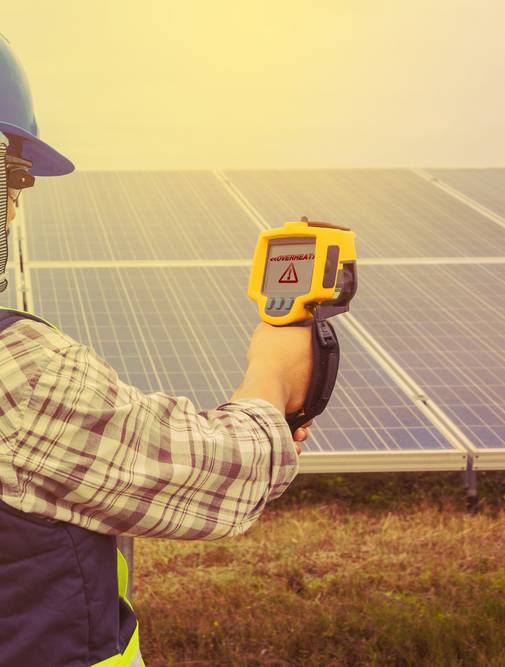
We provide thermography services for predictive and preventive analysis in all types of industries. A trained technician brings the right thermography camera to conduct a comprehensive thermographic survey quickly and precisely. They report the concern areas and suspected spots immediately so that you can take corrective actions based on the severity of the problem.

Thermal cameras can come in many forms from large devices that have to be kept on a stationary stand, while the other more commonly used thermal imagers are handheld devices that are ergonomic & controlledby a button to capture the infrared image.

Advantages

✔ Captures beyond what the naked eye can see through visible camera

✔ High accuracy leading to fewer false alarms

✔ Minimal down-time as thermographers can carry out thermal inspections while the equipment or facility is fully operational due to the non-contact and non-invasive nature of the device

✔ Considerably reduces the risk of Occupational Health & Safety hazards


Process for Infrared Thermography Services::

✔ Survey and Inspection Trained thermographers conduct surveys using infrared cameras to capture thermal images of electrical or mechanical components.

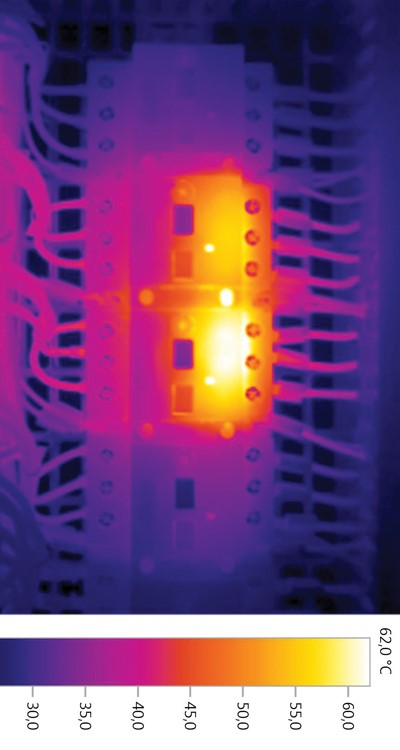
✔ Analysis: Thermal images are analyzed to identify temperature variations, hotspots, or abnormal patterns.

✔ Reporting: A detailed report is generated, outlining identified issues, their severity, and recommended corrective actions.

✔ Action and Maintenance Based on the findings, necessary maintenance or repairs are scheduled to address the identified issues.

WHO USES THERMAL IMAGER?


✔ Firefighters ✔ Law Enforcement ✔ officers ✔ Power line maintenance technicians ✔ Building Construction technicians ✔ Mechanical Engineers ✔ Facilities management & Utilities ✔ HVAC technicians ✔ Oil & gas maintenance engineers

What Can Infrared Be Used For?

Electrical Systems
✔ By scheduling an Infrared Inspection of your system, we are able to identify problem areas that will require maintenance before they cause damage to your equipment.

Roof Systems
✔ The beauty of infrared thermography is that it will also detect the temperature differences in an ambient environment. The scan does not exactly have to be performed on a solid surface. The reasons for this get a bit more technical, but the results are the same. This thermal imaging can even detect and identify potential leaks and areas that have trapped moisture.

Water Damage
✔ While water can definitely leave visual indications of damage, it is often best to uncover the cause before major damage is done. An infrared scan can be an early indicator of a leak, or tell you the hidden extent of damage once a visual indicator appears.

HVAC Systems
✔ Ventilation systems benefit tremendously from infrared scanning. Air and water, both being fluids, behave similarly. Imagine there is a large hole in your garden hose. How much water do you think would reach the end of the hose? How much less would reach the end if you had multiple holes in the same hose? Identify leaks within your duct system and meet Title 24 requirements.

We are using this unique technology for

✔ Detecting loose or corroded electrical connections
✔ Detecting Electrical unbalance and overloads
✔ Inspecting electric motors
✔ Inspecting Industrial gearboxes & Coupling
✔ Inspecting bearings and moving components
✔ ILocating Levels In Tanks, Vessels & Silos
✔ Monitoring transformers
✔ Inspecting process industry to find leakages, blockages
✔ Inspecting insulation efficiency, etc

get in touch

Contacts
Thank you!. Your message is successfully sent...
We're sorry, but something went wrong